
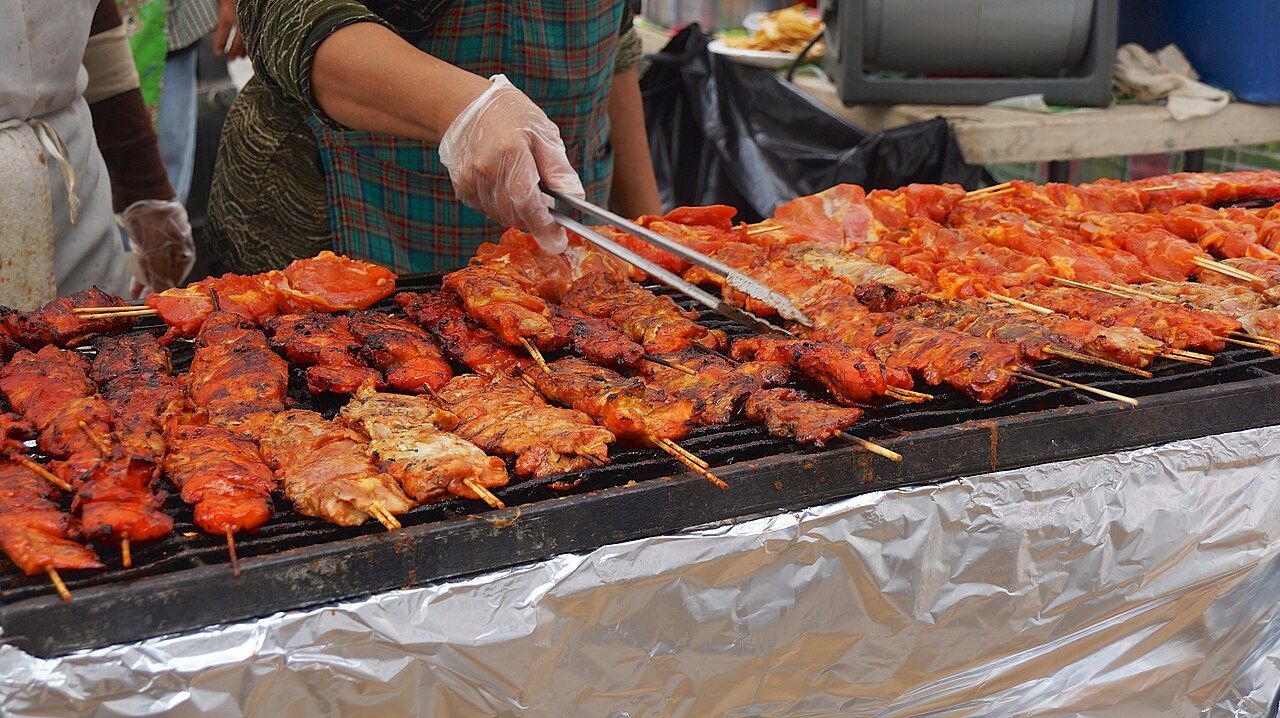
Adams Morgan Day is the neighbourhood's annual street festival, and for one long day the main street stops being a traffic route and becomes a stage, a food court and a meeting place. It has been held since 1978, making it one of Washington's longest-running neighbourhood festivals, and it usually takes place on a Sunday in September.
Stage line-ups and street closures are set afresh each year, and the festival has taken breaks in some years.
How the festival began
The festival started in the late 1970s, a period when Adams Morgan was home to an especially varied mix of people: long-time Black and white residents, a growing Latin American community, newcomers from Africa and the Caribbean, artists and activists. Residents wanted an event that brought all of those groups together on the street and showed the rest of the city what the neighbourhood was.
That spirit of a shared celebration fits the area's history; the name itself came from a 1950s effort to bring different communities together, a story told in how Adams Morgan got its name. Over the decades the festival has grown and changed with the neighbourhood, but the idea of a day that belongs to everyone has stayed at its heart.
The festival has always been organised by people from the neighbourhood rather than by the city, and it depends on volunteers, local businesses and community groups. That shows in its texture: alongside the stages and food you will find tables for neighbourhood organisations, churches, schools and arts groups, and a general feeling that the street is being lent to its residents for the day.
Stages and music
The festival usually has several stages along 18th Street and nearby, with performers across the day. Expect a wide range: Latin music of several kinds, go-go, the percussion-heavy sound that grew up in Washington, jazz, rock, hip hop, African music, folk and dance groups. Children's performances often take place earlier in the day.
Away from the stages, music happens informally too. Drummers, buskers and dance troupes set up on corners, and people dance in the street when a band catches the crowd's mood. Some years have included artists painting walls or boards during the day, adding to the neighbourhood's collection of murals.
The line-up changes every year and is usually announced shortly before the event. If you have a favourite kind of music, check the schedule and plan to be near the right stage at the right time, because moving through the crowd can take longer than you expect.
Food from many kitchens
Food is one of the festival's main draws. Stalls and local businesses sell dishes from the many cuisines that have taken root in the neighbourhood: Ethiopian stews and injera, Salvadoran pupusas, grilled meats, tacos, empanadas, West African dishes, Caribbean food and plenty more. Prices vary, and some stalls take cash only, so bring both small notes and a card.
The best approach is to share. Walk the length of the street once before you buy, then pick several small things with friends rather than one big meal. If you want to understand what you are eating, our guide to the neighbourhood's food explains the main dishes.
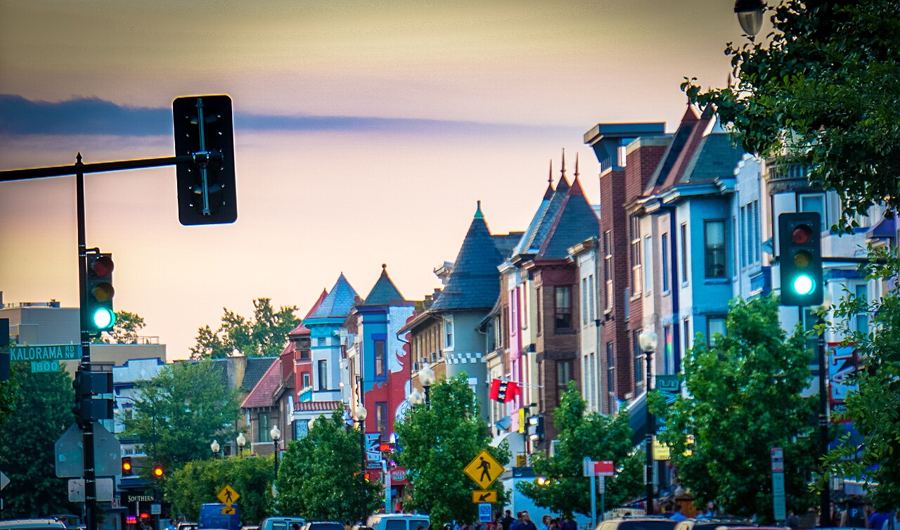 Next door: 18th Street18th Street from end to end
- Lines are shortest early in the day and in the late afternoon lull.
- Carry hand wipes; seating is scarce, and most people eat standing.
- Drinking alcohol in the street is regulated; follow the rules posted for the day.
Crowds and how to enjoy them
Adams Morgan Day draws large crowds, especially in the afternoon. The main street can be packed shoulder to shoulder near the stages, and moving from one end to the other can be slow. Some people love that energy; others prefer to dip in and out.
To enjoy it, arrive in the late morning when the stalls are opening and the crowd is still thin, wander the full length of the festival once, then pick a spot near a stage. Take breaks on the side streets, which are much calmer, or head a few minutes away to the green terraces of Meridian Hill Park for a rest.
September in Washington can still be hot and humid, and late summer storms are possible. Bring water, sunscreen and a light layer. Keep phones and wallets in front pockets, and agree on a meeting point with your group in case you get separated.
Reaching the street on festival day
Streets in the festival area are closed to traffic, and parking nearby is very hard to find. The easiest way to arrive is by Metro to Woodley Park on the Red Line and a walk across the Duke Ellington Bridge on Calvert Street, or to Columbia Heights on the Green and Yellow lines and a walk south. Buses on routes nearby are often diverted on the day.
At the end of the day, the crowds leave all at once. If you can, stay a little longer, eat something on a side street and let the stations clear. Our guide to getting around without a car covers the options in more detail.
If you are staying nearby
For anyone sleeping in the neighbourhood that weekend, the festival is a bonus: you can walk out of your door into it and back again whenever you need a break. Expect noise from setup early in the morning and from the stages through the day, and expect the street to be busy into the evening as people move on to bars. Many residents treat the day as a reunion, and you will see neighbours greeting each other all along the route.
More from this block: How the neighbourhood came to be, or back to the six doors.