
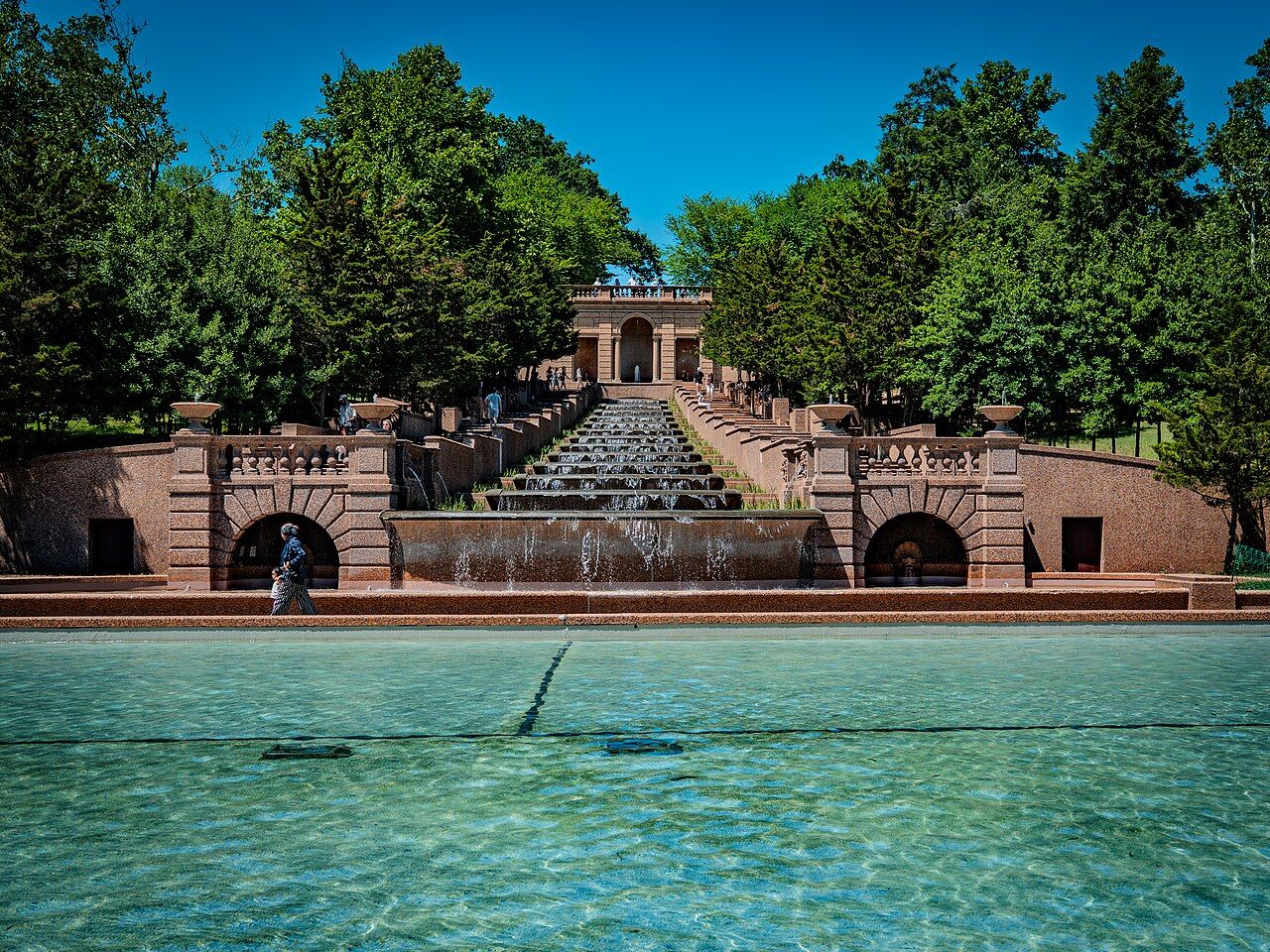
Just east of Adams Morgan, between 15th and 16th Streets, sits one of the most unusual parks in Washington. Meridian Hill Park is a formal garden built in terraces down a steep slope, with high concrete walls, long staircases and a cascade of water that runs down the middle in a chain of basins. It looks more like a European villa garden than an American city park, and it is a few minutes' walk from the crossroads of 18th Street and Columbia Road.
The park is run by the National Park Service and is free to enter. Fountains and the cascade do not always run; they are often switched off in colder months and during repairs.
A garden on a hill
The park takes its name from the hill, which got its own name from an early idea of placing a meridian line through Washington. In the early twentieth century, with a wealthy neighbour pushing for it, the government bought the land and began building a formal park. Construction took decades and was finished in the 1930s.
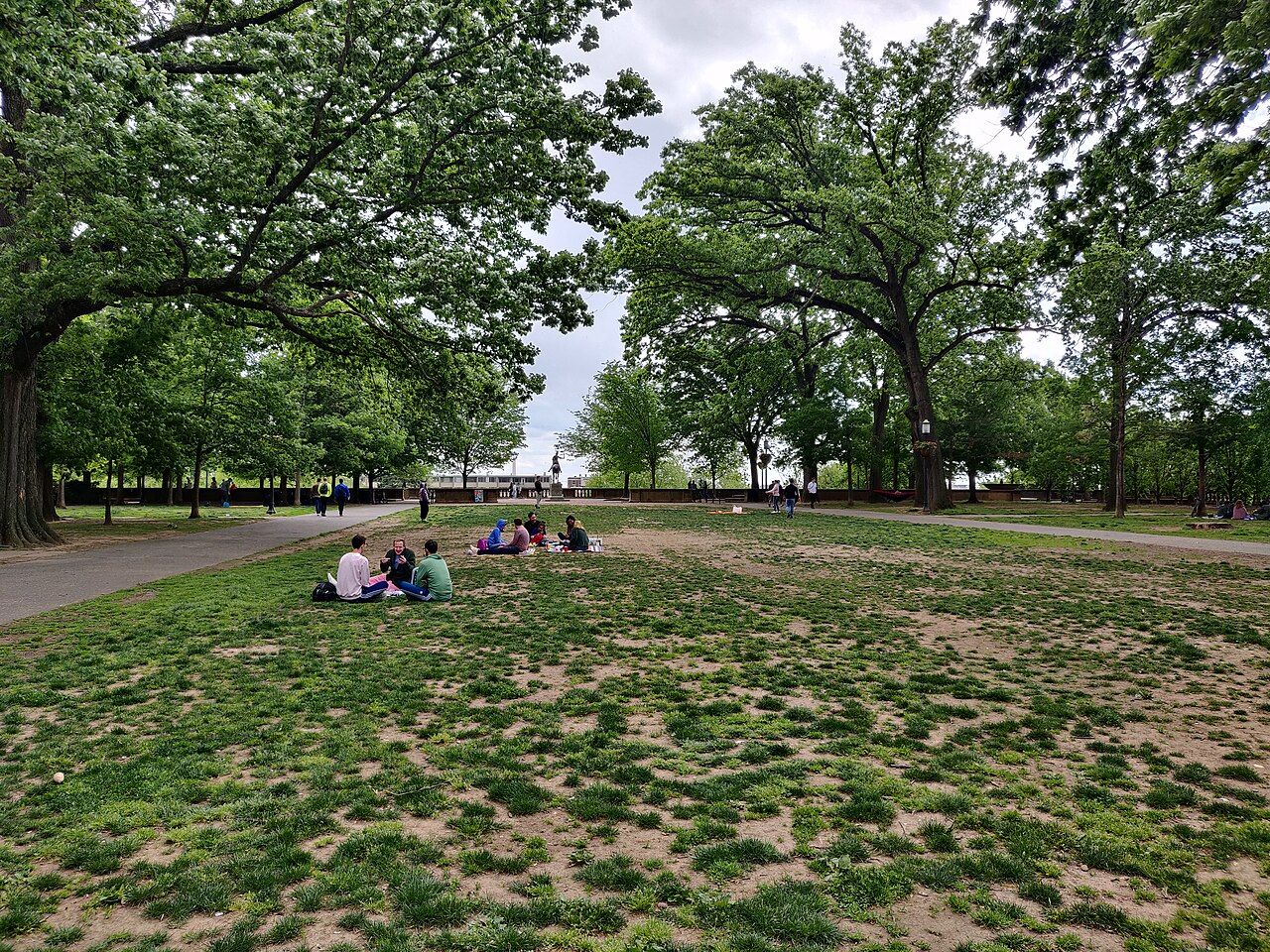
The design has two parts. The upper half, near the north end, is a broad, flat lawn lined with trees and walks, in the style of a French garden. The lower half, toward the south, is laid out like an Italian garden, with terraces, a grand staircase, walls and the cascade descending to a large reflecting pool at the bottom. The two are joined by a long terrace with views over the city.
One of the park's distinctions is its building material. Most of the walls, balustrades and benches are made of concrete that was carefully finished to show the stones mixed into it, giving a textured surface that looks almost like natural stone. It was an important experiment in using concrete as a decorative material, and the park is a National Historic Landmark.
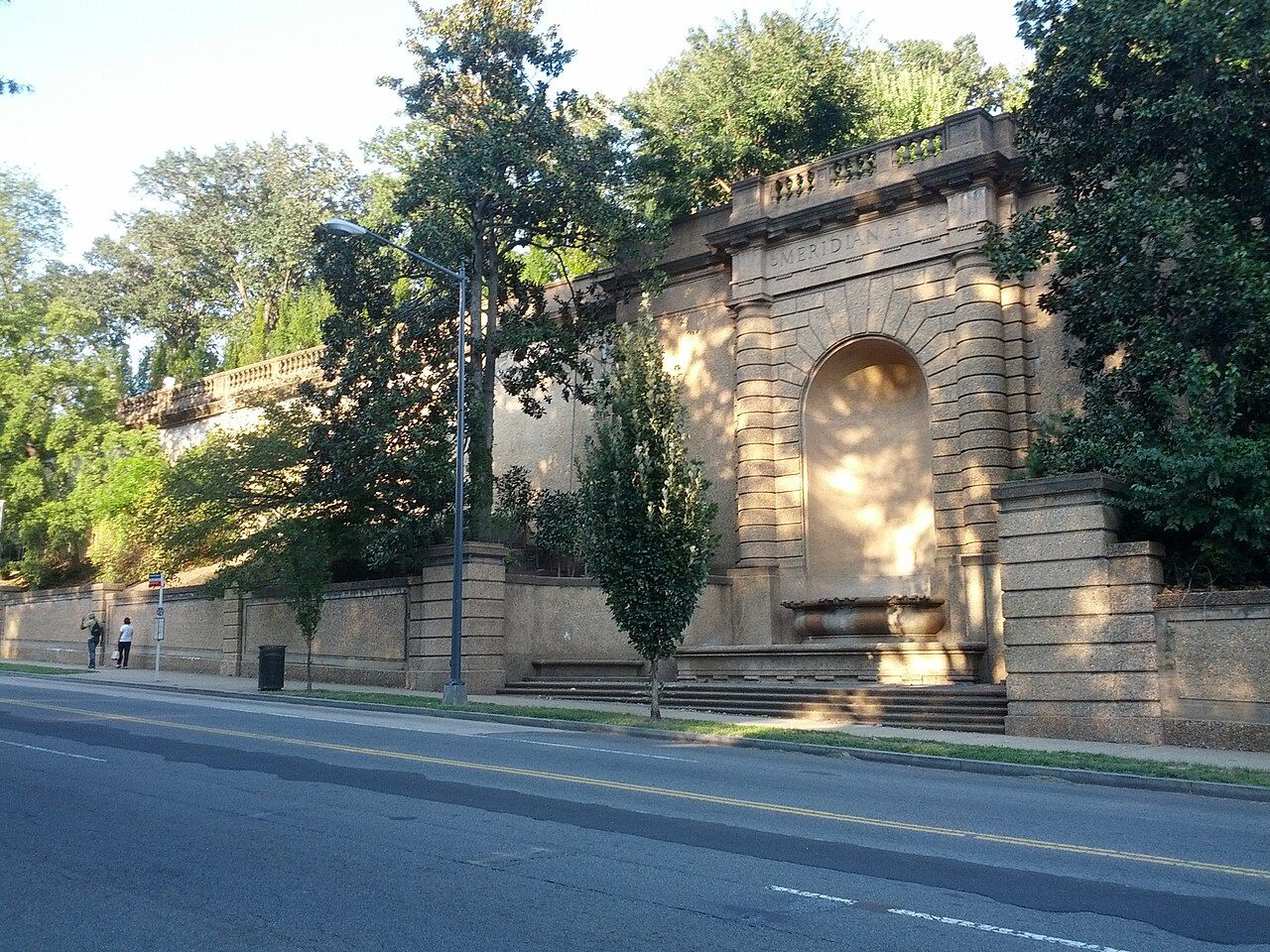
The cascade
The centrepiece is the cascade, a stepped chain of thirteen basins that carries water down the hillside from the upper terrace to the reflecting pool. When it runs, water spills over the lip of each basin into the next, and the sound fills the lower garden. It is often described as one of the longest cascading fountains in North America.
Walk down the stairs on either side of the cascade rather than viewing it only from the top. Each landing gives a different angle, and the reflecting pool at the bottom catches the whole slope in its surface on a calm day.
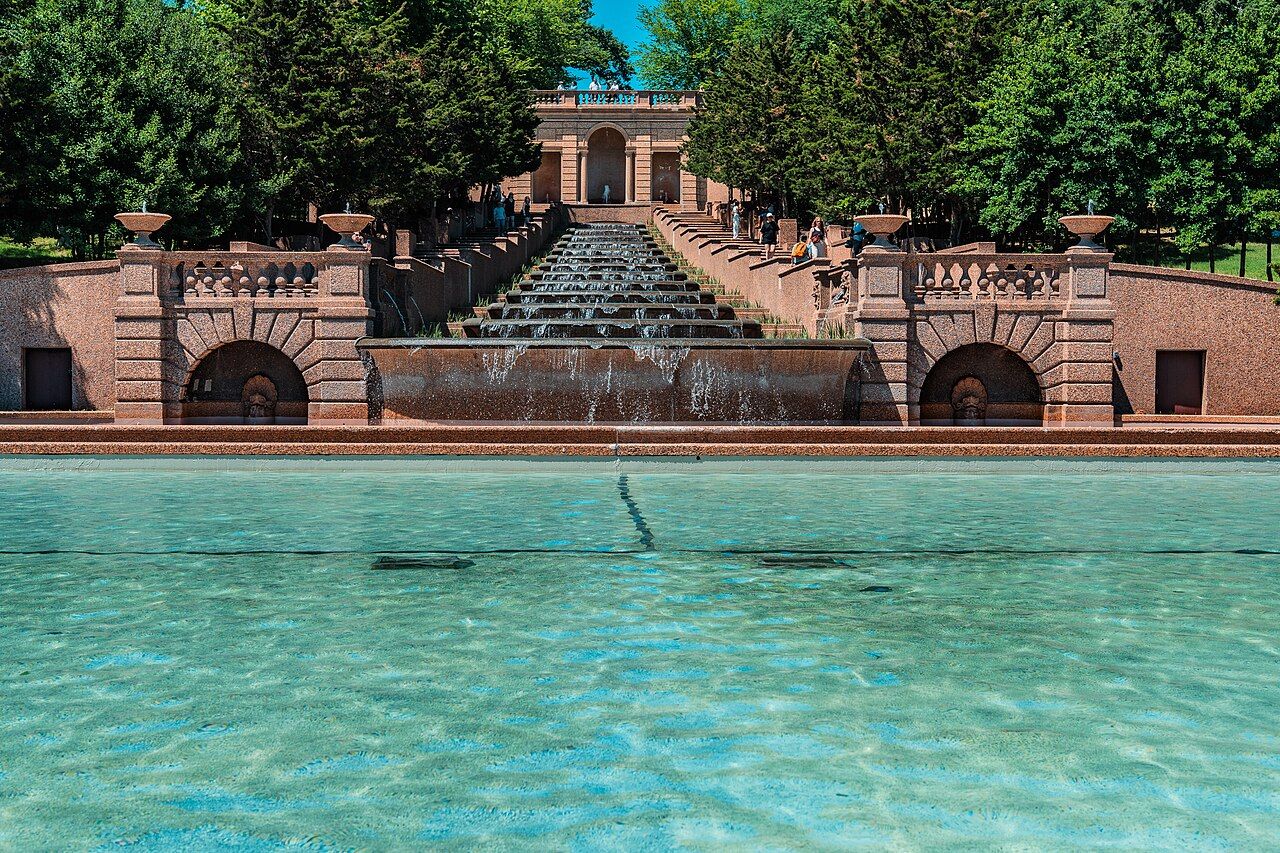
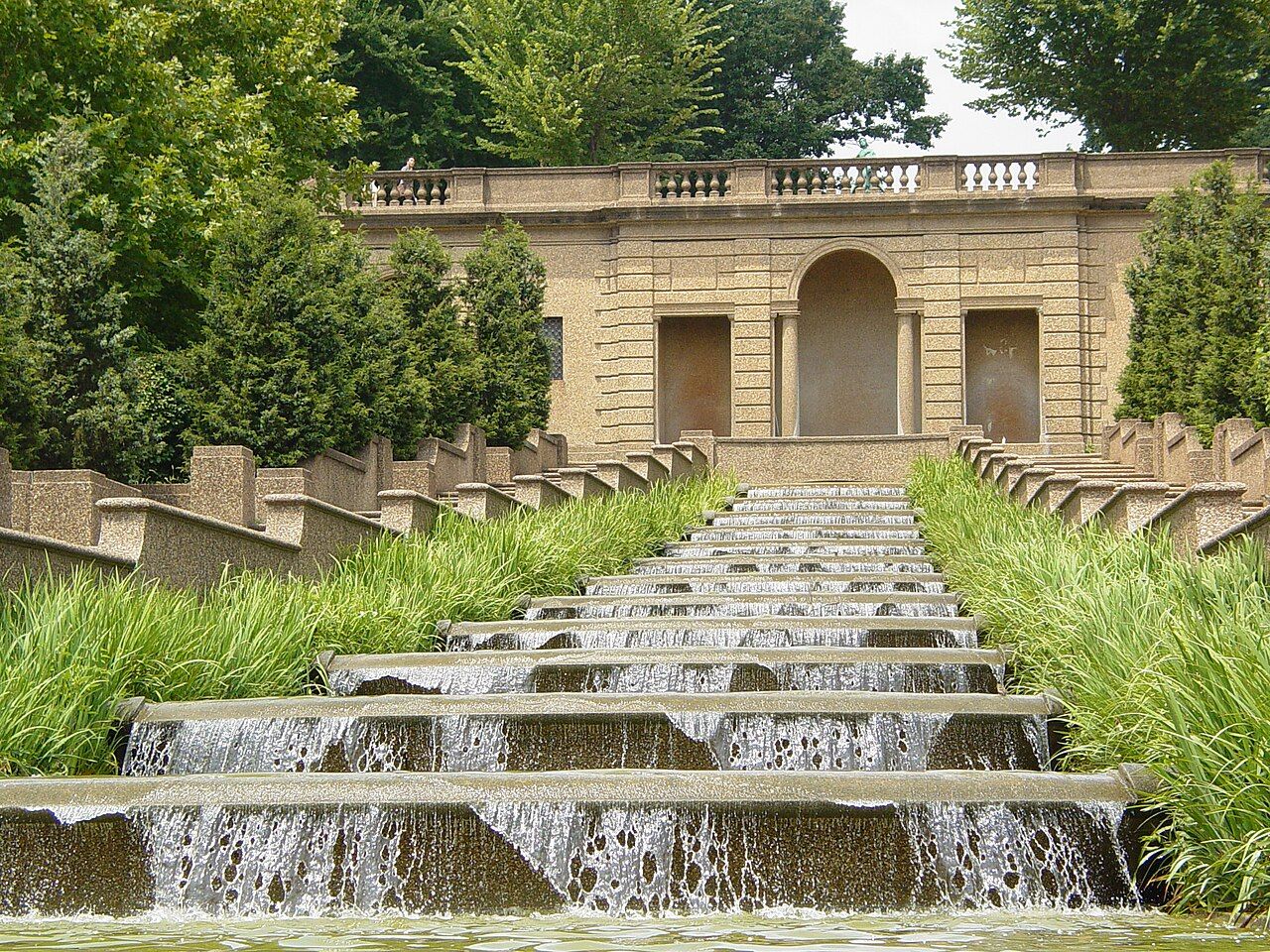
Walk down the stairs on either side of the cascade rather than viewing it only from the top.
The statues
Several statues stand around the park, and finding them makes a good walk in itself.
- Joan of Arc: an equestrian bronze on the upper terrace, a copy of a well-known French statue. It was given to the city by a women's group in the 1920s, and it is often said to be the only equestrian statue of a woman in Washington. Her sword has been stolen more than once over the years and replaced.
- Dante: a standing bronze of the Italian poet in robes and a laurel crown, gift of Italian Americans in the 1920s.
- James Buchanan: a seated memorial to the fifteenth president, set in a long granite exedra at the south-east corner.
- Serenity: a seated marble figure in the park's western area, weathered and damaged over the years.
Each has a plaque, and some have suffered vandalism over the years. Please do not climb on them.
There are other details to find as you walk: urns and lamps along the balustrades, a shell-shaped fountain basin, small hidden corners with benches under trees, and long views framed by walls. The planting has changed over the decades, but the bones of the design are intact, and it is worth walking every level rather than staying on the lawn.
 Next door: Next doorU Street and the music of Black Broadway
The drum circle and its other name
On Sunday afternoons in warmer months, a drum circle gathers in the upper part of the park. It has been a tradition for decades, and it attracts drummers of all ages and skill levels, dancers, families and onlookers. The rhythm can be heard from blocks away. Anyone may listen, and newcomers sometimes join in with their own instruments, though it is wise to watch for a while before you do.
The park is also widely known as Malcolm X Park, a name given by activists in the late 1960s and still used by many residents. You will hear both names; both are understood. The official name remains Meridian Hill Park.
On warm weekends the upper lawn fills with people doing all kinds of things: picnics, yoga, slacklining between trees, reading, ball games and sunbathing. It is one of the few large flat open spaces in this part of the city, and it serves the surrounding neighbourhoods as a shared back garden.
The drum circle is informal and not run by anyone in particular, so it may not happen every week. Its timing depends on the weather and on who shows up.
Views to downtown
The long terrace between the upper and lower gardens is one of the best places nearby to look over the city. On a clear day you can see south across the rooftops toward downtown, and on some days the tip of the Washington Monument. Late afternoon light is good here, and sunsets turn the concrete walls warm.
The terrace is also the best place to understand why the hill mattered. Before the city grew up around it, this ridge was often described as part of the old fall line, where the land rises from the river plain toward the higher ground of the north. Standing here, you can see how the downtown streets lie below you in a shallow bowl.
From the park, 16th Street runs straight south to the White House, roughly a mile and a half away. If you are planning a day downtown, the walk is long but easy, and our guide to a day on the Mall picks up from there.
Steps, shade and the west gates
From the crossroads of 18th Street and Columbia Road, walk east on Columbia Road or Euclid Street to 16th Street; the park's west entrances are across the street. The walk takes about ten minutes. Columbia Heights station, on the Green and Yellow lines, is a short walk to the north-east, and the park borders the neighbourhood described in our Columbia Heights guide.
- The terraces involve many steps; there are ramps and gentler routes in some places, but the lower garden is hard going for some visitors.
- Bring water in summer; there is little shade on the lower terraces.
- Restrooms and drinking fountains are limited and may be closed out of season.
- The park is busiest on warm weekend afternoons and quietest on weekday mornings.
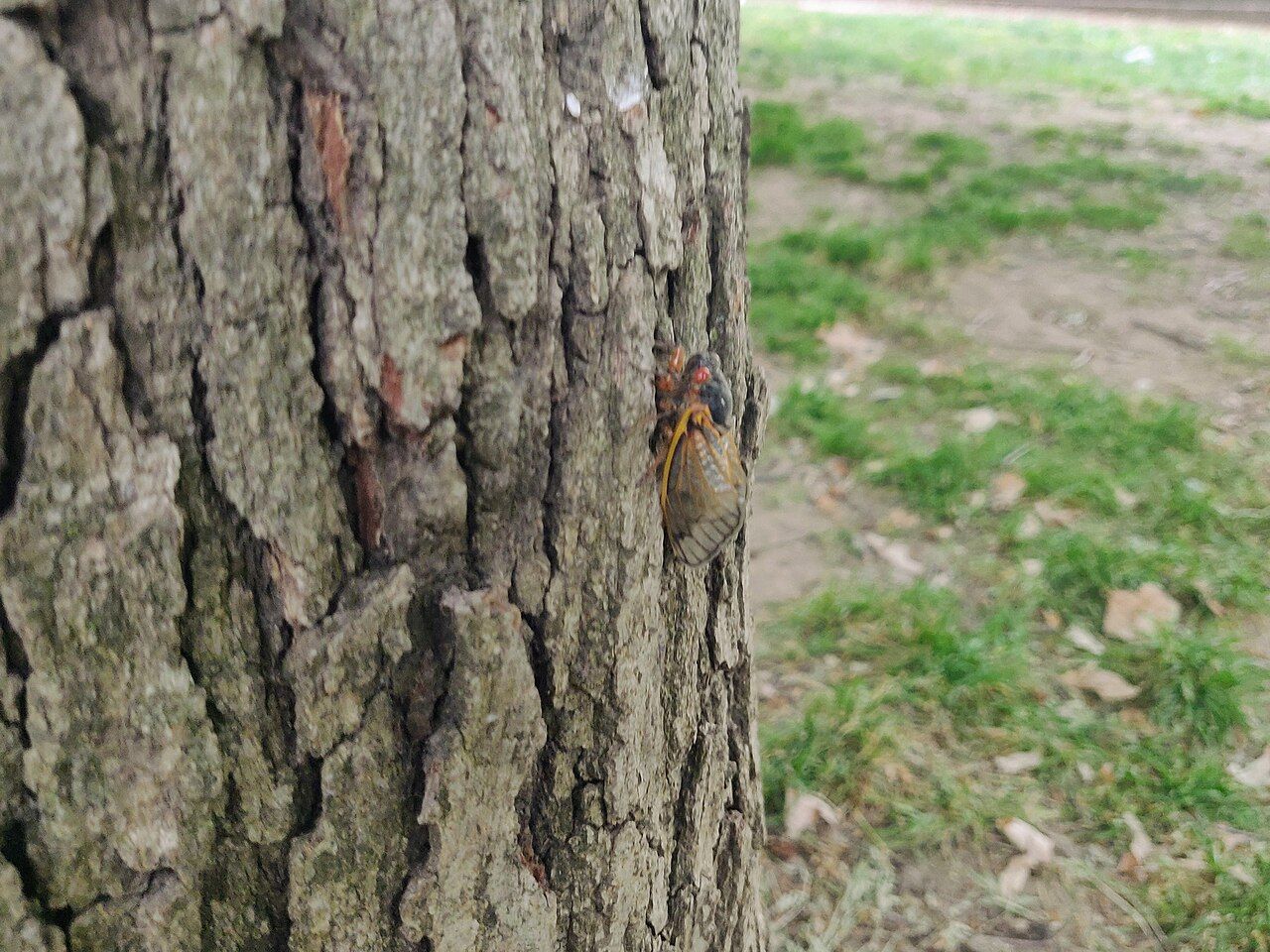
- In some years periodical cicadas emerge in great numbers in late spring, and the old trees hum with them for a few weeks.
- Wear shoes with grip after rain, since the concrete steps can be slippery.
The park can be lonely after dark; plan to visit in daylight. It pairs well with a morning on Columbia Road or an evening walk back to 18th Street for dinner.
More from this block: Parks and the creek.