
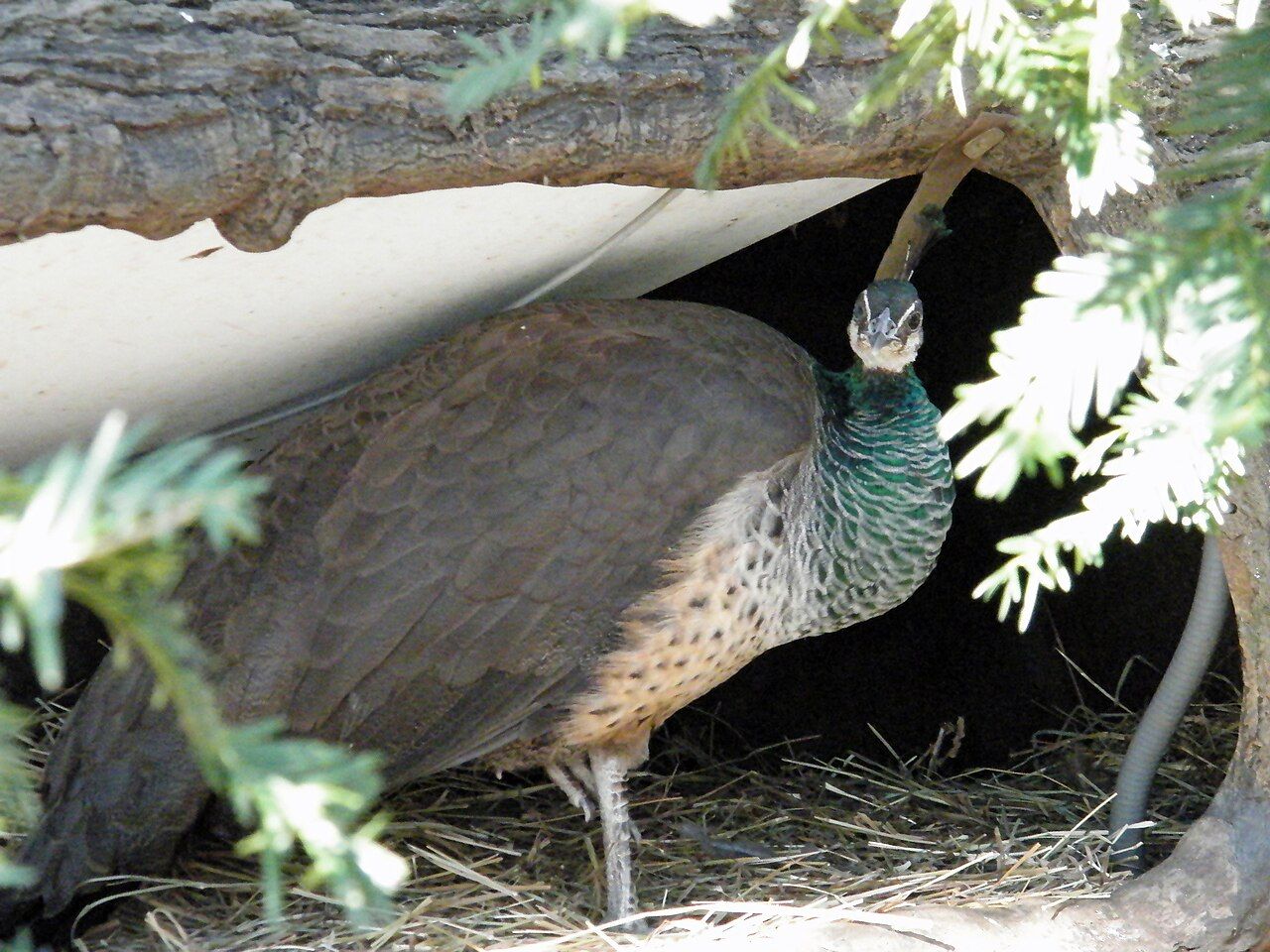
The National Zoo is one of the easiest big outings from Adams Morgan. It sits in the Rock Creek valley just west of the neighbourhood, and you can walk there in about twenty minutes. It is part of the Smithsonian Institution and has no admission charge; at busy times you may need a free timed pass booked in advance.
Walking there
The most common route goes west along Calvert Street and over the Duke Ellington Bridge, which crosses the deep Rock Creek valley. The views down into the trees are worth a pause. On the far side you reach Connecticut Avenue near Woodley Park station. Turn right and walk north along Connecticut Avenue, past large apartment buildings, until you reach the zoo's main entrance on the right. The walk is mostly flat once you are over the bridge.
There is also a lower entrance near Harvard Street and Adams Mill Road, at the bottom of the valley, which is closer to the eastern part of Adams Morgan. From there you enter at the bottom of the zoo and walk uphill.
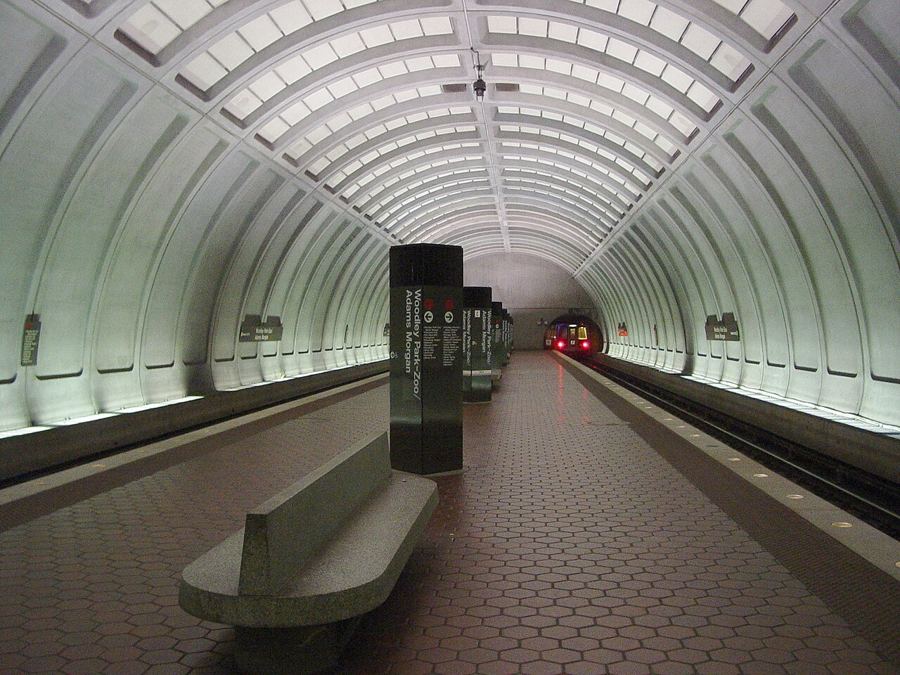
If you prefer the Metro, Woodley Park station on the Red Line is a short walk south of the main entrance, and Cleveland Park station is a little to the north.
If you walk, note that the hills of Adams Morgan and the valley crossing make the return trip feel longer than the outward one, especially after hours on your feet inside the zoo. Plan to take the Metro or a bus for part of the way home if you are tired.
A zoo laid out on a hillside
The zoo was founded in 1889, and its grounds were planned with the help of Frederick Law Olmsted, the landscape architect famous for New York's Central Park. Rather than flattening the land, the plan followed the natural slopes and valleys, with winding paths, woods and open spaces.
The result is that the zoo is long and hilly. The main path, often called the Olmsted Walk, runs from the Connecticut Avenue entrance at the top down to the lower entrance near Rock Creek, with exhibits on both sides. The difference in height between the two ends is considerable. Going down is easy; coming back up takes effort, especially in summer heat.
A good plan is to start at the top, walk down through the exhibits, and decide at the bottom whether to walk back up or leave by the lower entrance and walk home through the valley toward Adams Morgan.
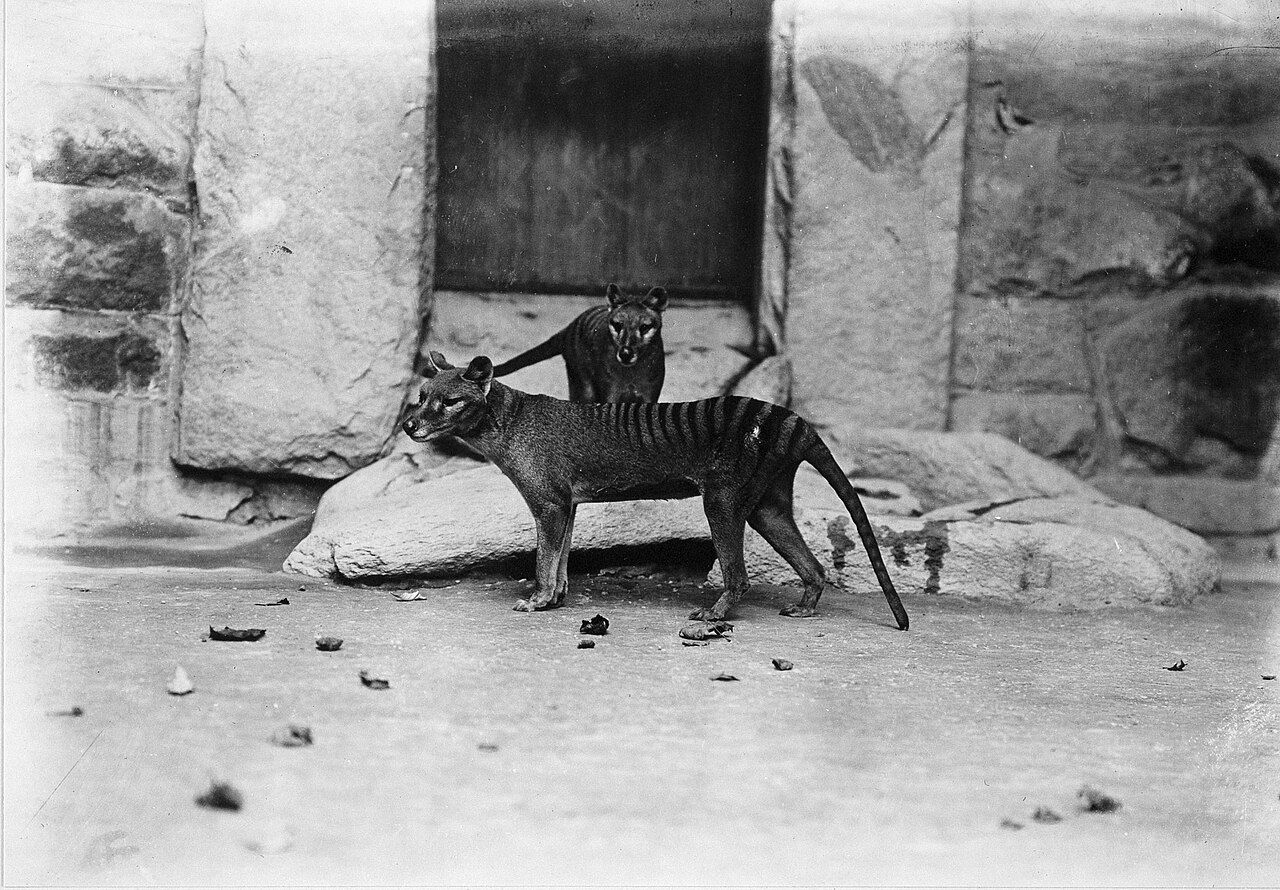
The zoo's long history shows in its old photographs. In its early decades it kept animals that no visitor will ever see again, among them a pair of thylacines, the striped Tasmanian marsupials that later died out in the wild and in captivity during the twentieth century.
 Next door: StayingGetting around without a car
The pandas and other highlights
Giant pandas have long been the zoo's most famous residents. After a period without them, pandas returned to the zoo in late 2024, and they once again draw crowds. The animals sometimes rest out of sight, so be patient.
Other popular areas include the great apes, with orangutans that can sometimes be seen moving between buildings on overhead cables; the big cats; the elephants, which have a large outdoor space; the reptiles; and the birds. Exhibits are sometimes closed for renovation.
The zoo is also a research and conservation institution, with a separate breeding and research centre elsewhere in Virginia that is not open for general visits. Signs along the paths explain conservation work with several of the species you see, from big cats to small birds.
- Pick up or download a map at the entrance; the paths branch often.
- Indoor houses may close earlier than the grounds.
- Feeding times and keeper talks are listed on the day.
Best hours to see the animals
Many animals are most active in the morning, especially in warm weather, when they rest in the shade during the heat of the day. Arriving early also means fewer crowds and easier walking. Late afternoon can be good too, as the temperature drops.
Weekdays are calmer than weekends, and the quietest times are usually weekday mornings outside school holidays. Mild spring and autumn days suit a zoo walk best. Summer is hot and humid; winter is quiet, with some animals indoors, though some species are at their liveliest in the cold.
The zoo's hours change with the seasons, and the grounds and the buildings close at different times.
Food, rest and practical tips
Food and drinks are sold inside the zoo, but you may bring your own snacks and water. There are benches and shady spots throughout, and picnic areas in some places. Restrooms are spread along the main path.
- Bring a refillable water bottle; summer days are hot.
- Wear comfortable shoes for the hills.
- Strollers and wheelchairs can use the main path, but some side paths are steep.
- Security screening is common at the entrances; pack light.
Parking at the zoo is limited and charged, so walking or the Metro is easier. After your visit, you can walk back toward the neighbourhood along the creek; our guide to Rock Creek Park covers the paths, and our story on the bridges over Rock Creek explains what you crossed on the way.
Lunch, the cathedral or the creek after
The zoo pairs well with other things nearby. Combine a morning at the zoo with lunch back in the neighbourhood, or with a walk through Woodley Park and up toward Washington National Cathedral. For a full day outdoors, walk north from the lower entrance along Rock Creek toward Peirce Mill and come home through Mount Pleasant.
More from this block: Parks and the creek.