
Walk to the bottom of 18th Street, cross Florida Avenue and turn east, and you are on U Street. Within fifteen minutes you reach the stretch between roughly 9th and 15th Streets that was, from the early twentieth century until the 1960s, the commercial and cultural heart of Black Washington. In a segregated city, it was where Black residents built their own theatres, banks, newspapers, churches, clubs and shops, and where the great touring musicians of the day played. People called it Black Broadway, and the name has stuck.
Today the corridor is busy, mixed and much changed. To see the older city underneath the new buildings, you need to know where to look.
Black Broadway
In the decades around the First World War, segregation shut Black Washingtonians out of most downtown theatres, restaurants and lunch counters. The response was to build a parallel city. Along U Street and the blocks around it rose movie palaces and vaudeville houses, dance halls and jazz clubs, insurance companies and a Black-owned bank, social clubs and a YMCA. Howard University, a few blocks north-east, brought scholars, lawyers and students, and the neighbourhood around it became home to a large and prosperous Black middle class.
Musicians came through constantly. The big bands, the blues singers and the jazz stars of the era played the theatres and the late-night clubs, and local players learned by listening from the cheap seats or the doorway. The corridor's reputation was national, and its audience mixed students, workers, professionals and visitors from all over the city.
Duke Ellington's neighbourhood
Edward Kennedy Ellington was born in Washington in 1899 and grew up in the rowhouse streets around U Street and Shaw, taking piano lessons, playing his first paid dates at local dances, and absorbing the music he heard around him. He left for New York in the early 1920s and became one of the defining figures of American music, but the city has never let go of him.
You will find his face painted on walls along the corridor, and his name on public buildings: the arts high school in Georgetown, and the bridge on Calvert Street that you may already have crossed, described in our guide to the bridges over Rock Creek. Murals elsewhere on the street honour other musicians, writers and activists from the neighbourhood's past; some have been repainted or replaced over the years as buildings changed hands.
The Lincoln and the Howard
Two theatres carry the story most clearly.
The Lincoln Theatre
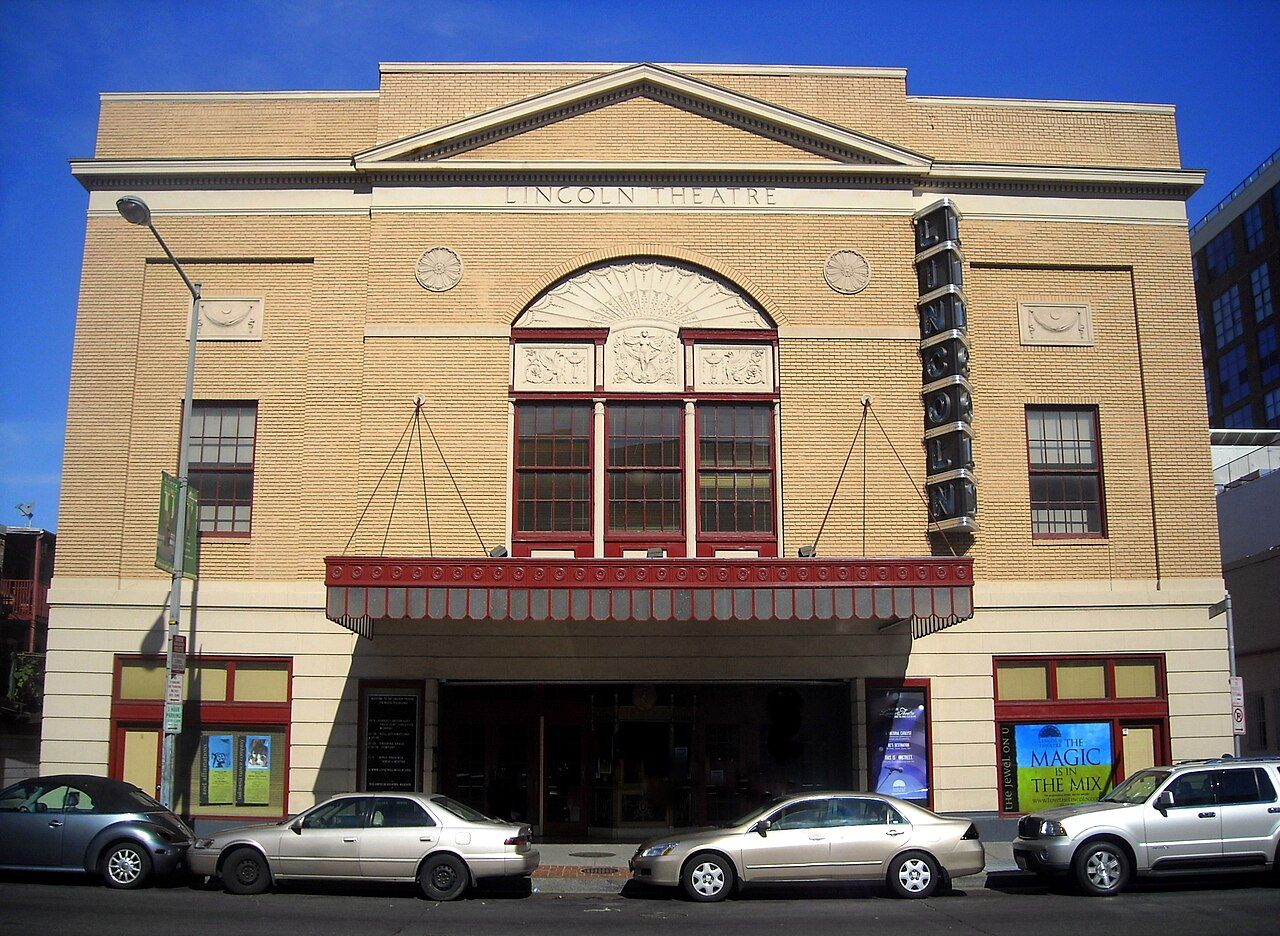
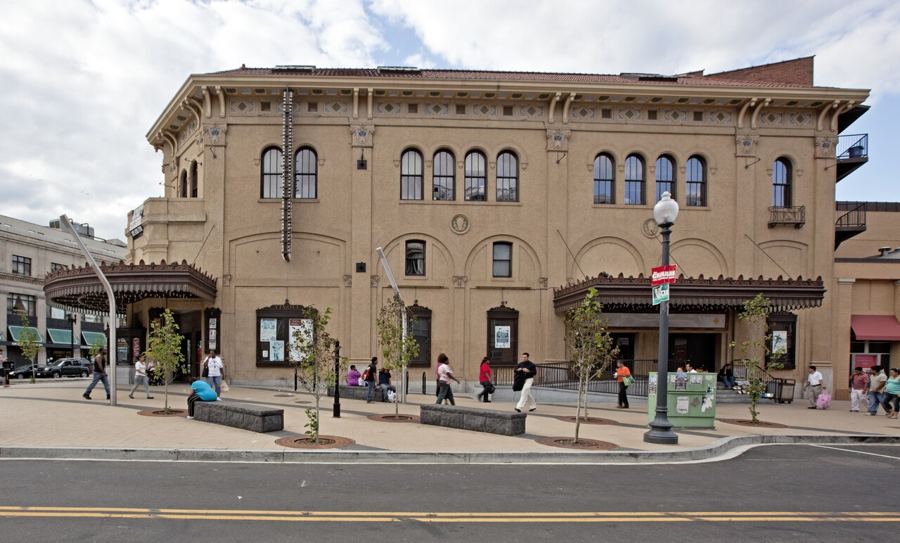
On U Street between 12th and 13th, the Lincoln opened in the early 1920s as a cinema and stage for Black audiences. It declined after the 1960s and stood closed for years before a restoration in the 1990s brought it back. It now hosts concerts, comedy and other shows; look at its front and its tall sign, and check listings if you want to go inside.
The Howard Theatre
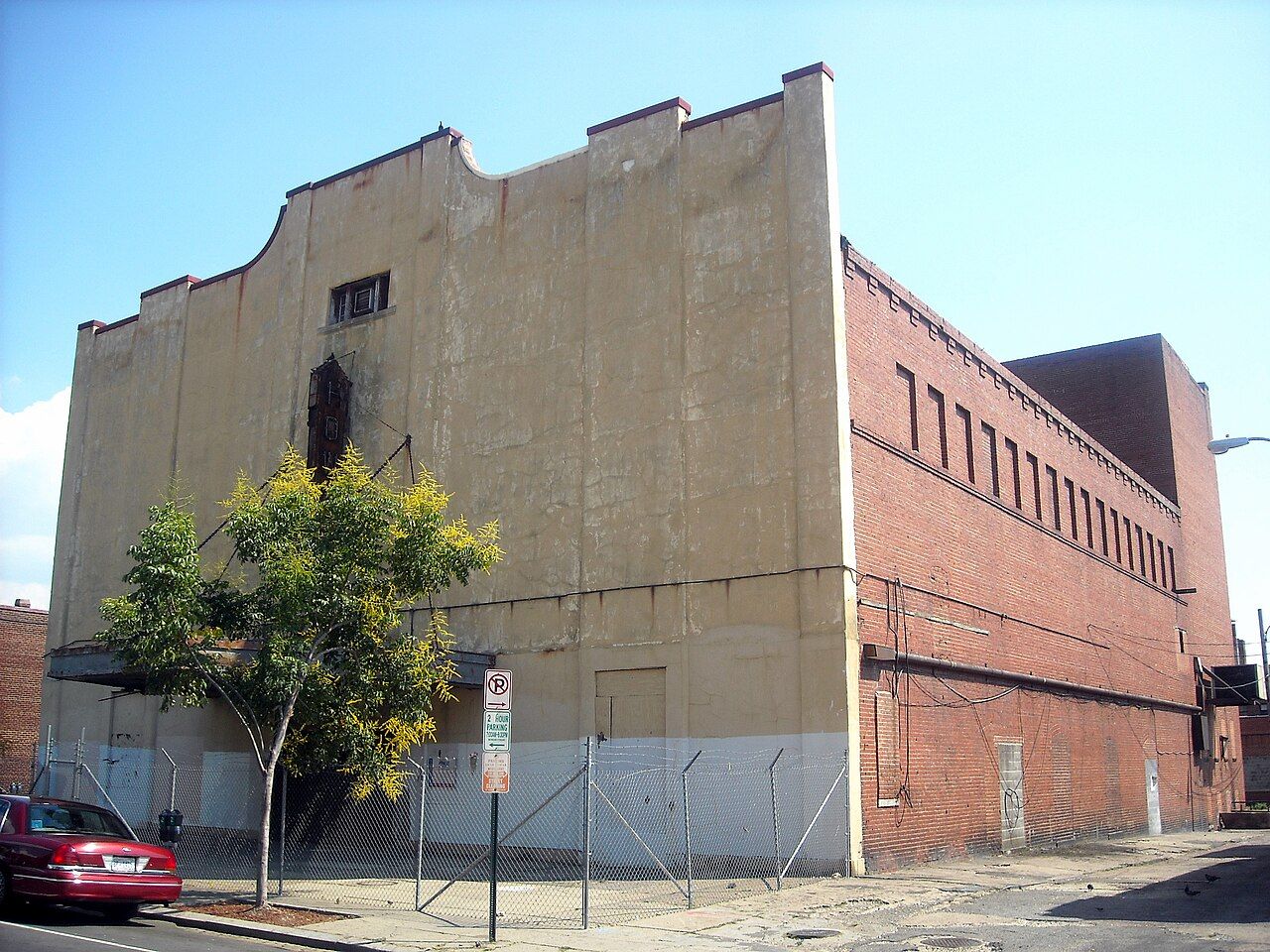
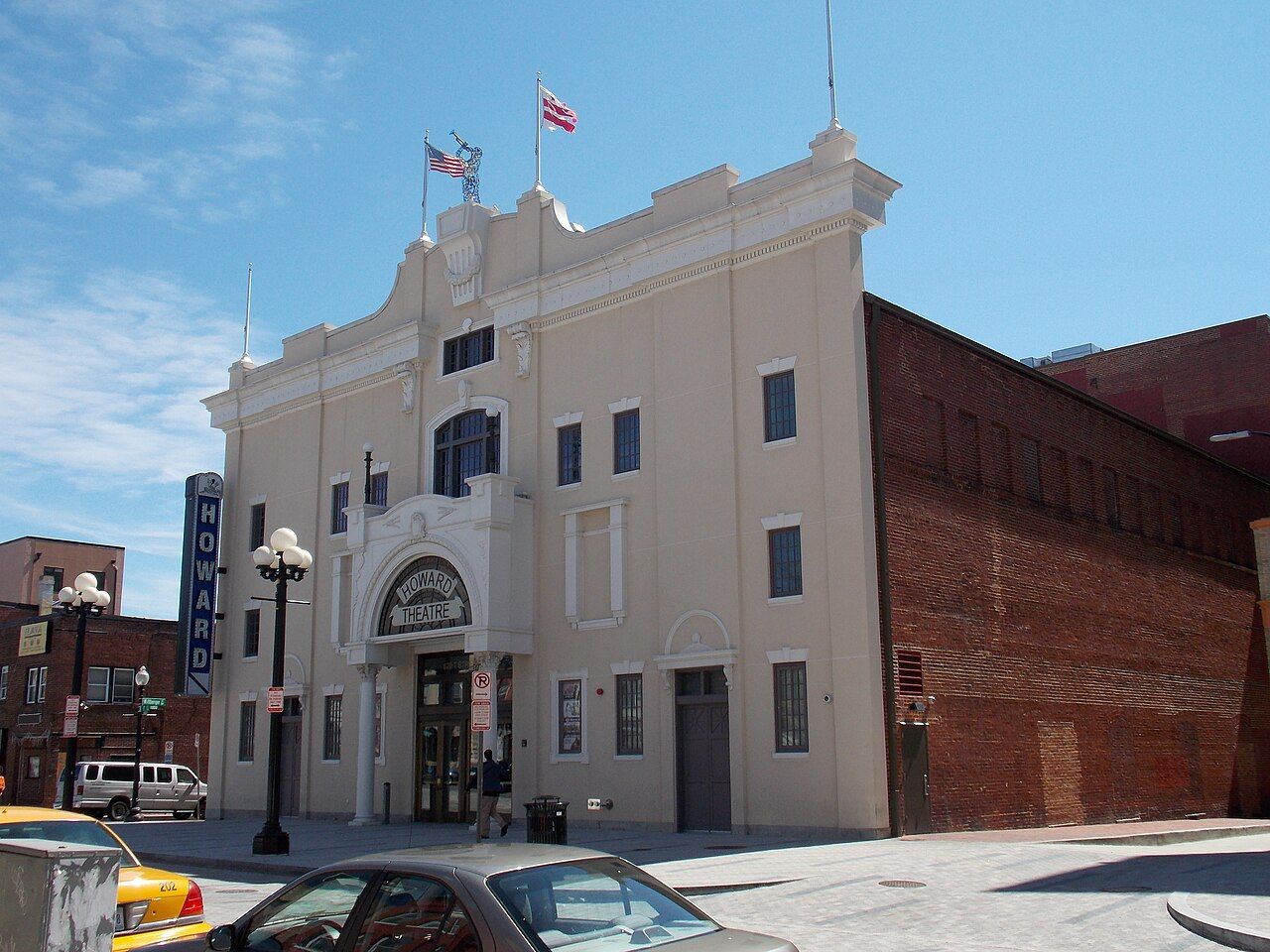
A short walk east and just off U Street, on T Street near Florida Avenue, the Howard opened in 1910 and is often described as one of the first major theatres in the country built for Black audiences. Over the decades most of the leading Black performers of the twentieth century appeared on its stage. It closed around 1980, sat derelict for a long time, and reopened after a full restoration in 2012. It too hosts concerts; check what is on.
In a segregated city, it was where Black residents built their own theatres, banks, newspapers, churches, clubs and shops, and where the great touring musicians of the day played.
 Next door: Next doorColumbia Heights and the Tivoli
The African American Civil War Memorial
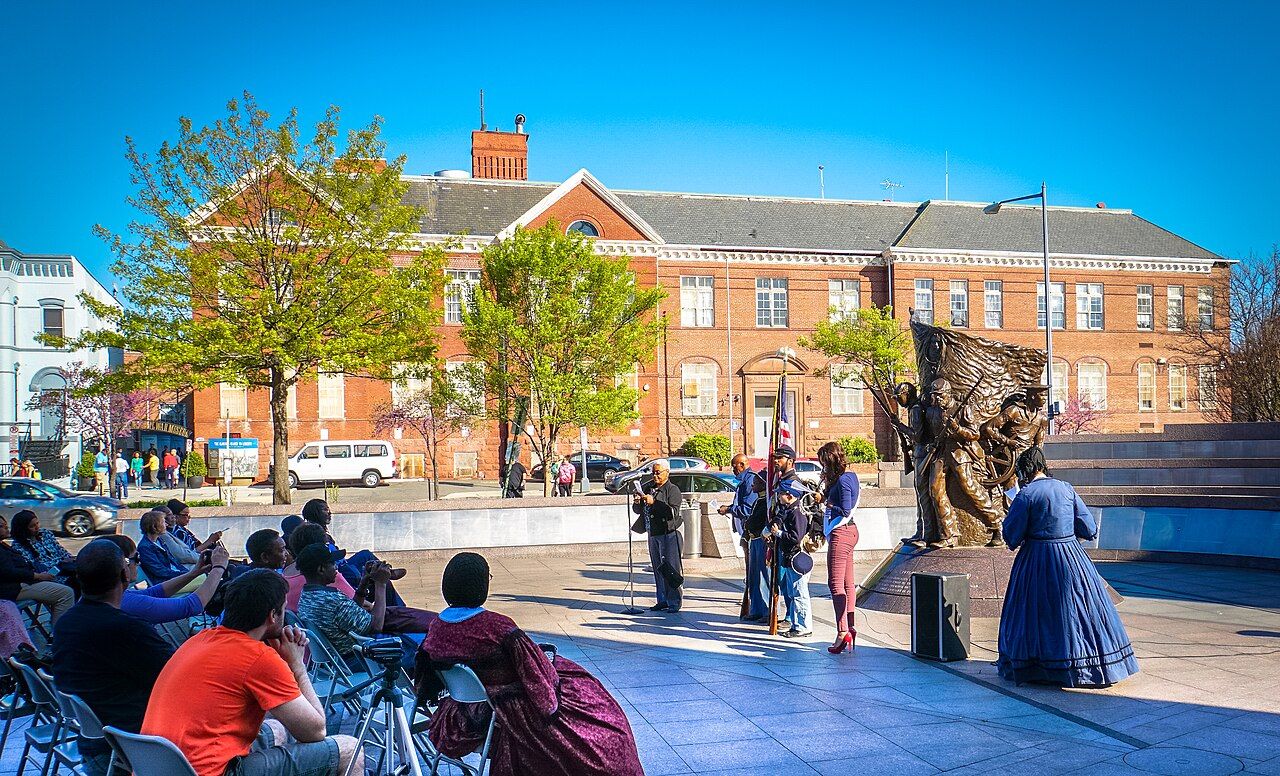
At U Street and Vermont Avenue, beside a Metro entrance, stands the memorial to the soldiers and sailors of the United States Colored Troops. The bronze sculpture, called The Spirit of Freedom and dedicated in the late 1990s, shows uniformed soldiers and a sailor on one side, and on the other a family seeing a young man off to war. Around it, curved walls carry the names of more than two hundred thousand men who served in the Union forces, arranged by regiment.
It is a quiet place even at a busy junction. Descendants come to look for names, and directories help them find the right panel. Across the street, a small museum tells the story of the Black regiments and their families. Opening hours are limited.
- The memorial is open-air and free.
- Give space to anyone searching for a name or leaving flowers.
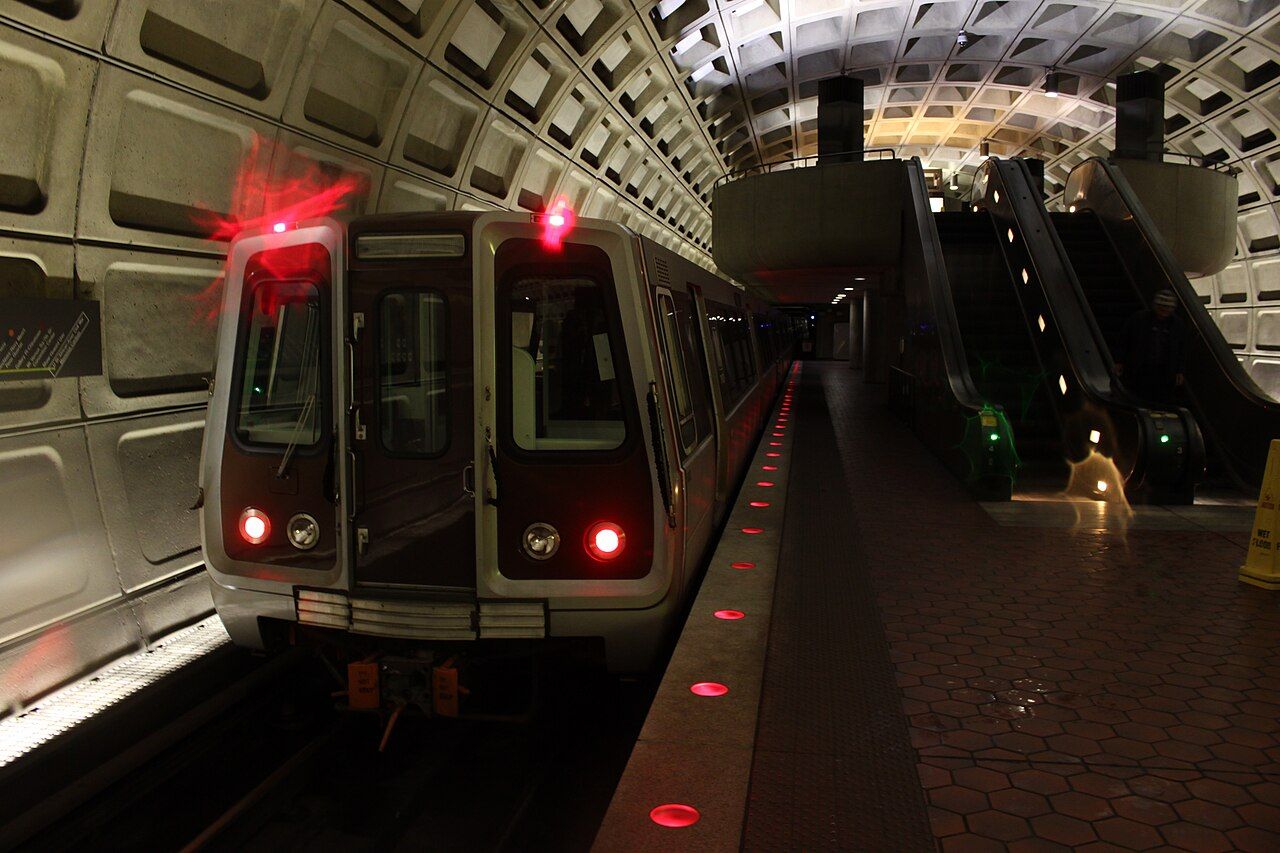
- The station below takes its name from the memorial and is on the Green Line.
1968 and after
On 4 April 1968 Martin Luther King Jr. was assassinated in Memphis. In the days that followed, anger and grief erupted in several Washington neighbourhoods, and the area around 14th and U Streets was among the hardest hit. Buildings burned, businesses were lost, and many never reopened. Some residents and owners had already been leaving as desegregation opened other parts of the city and suburbs, and after 1968 the decline sped up.
For more than two decades the corridor struggled, with empty lots and boarded fronts along much of its length. The arrival of the Metro station in 1991 marked a turning point, and the restorations of the theatres followed. Since then the street has filled with new apartments and nightlife, and the change has brought hard questions about who the neighbourhood is for. Many long-time residents and institutions remain, and the history is told openly on plaques and walls along the way, which is the best reason to walk the street slowly and read as you go.
Walking it today
A sensible route from Adams Morgan:
- Walk down 18th Street and cross Florida Avenue onto U Street.
- Head east, passing the corner of 16th Street where the street opens up toward the hill and Meridian Hill Park a few blocks north.
- Stop at the Lincoln Theatre and look for murals on the side walls around 12th to 14th Streets.
- Continue to the Civil War memorial at Vermont Avenue and the museum across the street.
- Finish at the Howard Theatre on T Street, then take the Metro back or walk home uphill.
The route is flat after the first downhill stretch, about two kilometres one way. Daytime is best for reading the walls; evening is when the music still happens, in venues large and small. Weekend nights are loud and crowded, much like 18th Street, so keep an eye on your belongings.
For food, the corridor is known for Ethiopian cooking, which took root in Adams Morgan and then spread along U Street and 9th Street, and for the city's own half-smoke sausage. Our guide to the neighbourhood's kitchens covers both in more detail.
More from this block: Next-door neighbourhoods.